# Top 5 Gaming Laptops in 2023
Gaming laptops have come a long way in recent years, offering the power of a desktop PC in a portable and stylish package. Whether you're looking for a high-end machine with the latest graphics card, a budget-friendly option with decent performance, or something in between, there's a gaming laptop for you. In this post, I'll rank the top 5 gaming laptops in 2023, based on their features, performance, design, and price. Let's get started!
## 5. Acer Nitro 5

The Acer Nitro 5 is the best gaming laptop under $1,000, offering a solid performance for a reasonable price. It features a 15.6-inch Full HD IPS display with a 144Hz refresh rate, an Intel Core i7-11800H processor, an Nvidia GeForce RTX 4050 graphics card, 16GB of RAM, and a 512GB SSD. It also has a backlit keyboard, dual speakers with DTS:X Ultra sound, and a decent battery life of up to 8 hours.

The Acer Nitro 5 is not the most attractive or lightweight gaming laptop, weighing 4.85 pounds and having a thick bezel around the screen. It also tends to get hot and loud under heavy load, and the webcam quality is mediocre. However, for its price range, it delivers a great gaming experience that can handle most modern titles at medium to high settings.
Pros:
- Affordable
- Good performance
- Fast display
- Decent battery life
Cons:
- Bulky and heavy
- Hot and loud
- Poor webcam
Price: $999 at Amazon India check
## 4. Asus ROG Zephyrus G14

The Asus ROG Zephyrus G14 is the best 14-inch gaming laptop, offering a compact and sleek design with impressive performance. It features a 14-inch QHD IPS display with a 165Hz refresh rate, an AMD Ryzen 9 5900HS processor, an Nvidia GeForce RTX 4060 Max-Q graphics card, 16GB of RAM, and a 1TB SSD. It also has a unique AniMe Matrix LED display on the lid that can show custom animations and notifications.

The Asus ROG Zephyrus G14 is one of the lightest and thinnest gaming laptops, weighing only 3.64 pounds and measuring 0.7 inches thick. It also has a long battery life of up to 10 hours, and a comfortable keyboard with backlighting. However, it lacks a webcam and Thunderbolt port, and the fans can get noisy when gaming. The display also has some issues with ghosting and color accuracy.
Pros:
- Portable and stylish
- Powerful performance
- Long battery life
- AniMe Matrix LED display
Cons:
- No webcam or Thunderbolt port
- Noisy fans
- Ghosting and color issues on display
Price: $1,699 at Amazon³
## 3. Alienware M15 R7
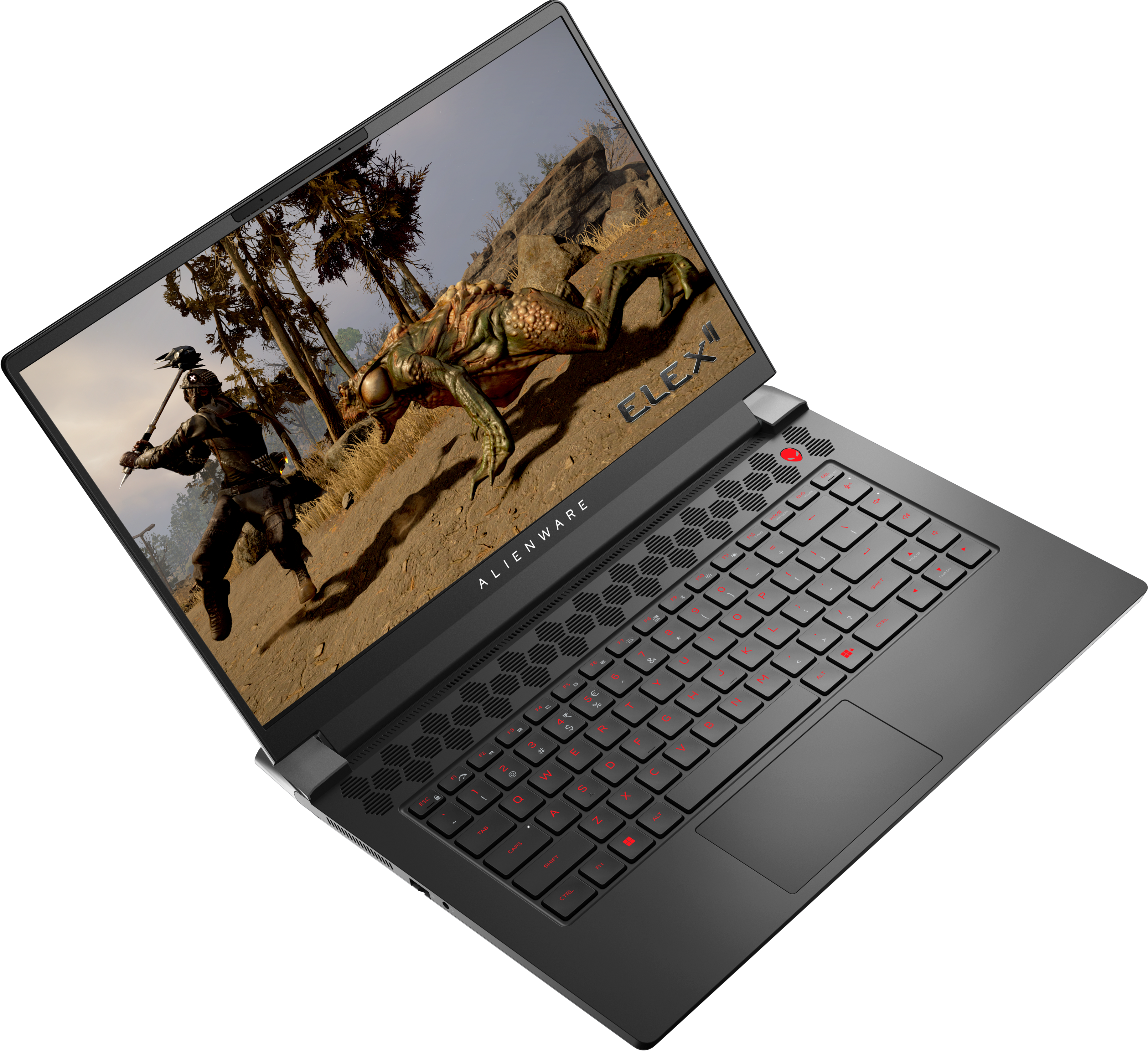
The Alienware M15 R7 is the best gaming laptop for most players, offering a balanced combination of performance, design, and features. It features a 15.6-inch QHD OLED display with a 240Hz refresh rate, an Intel Core i9-11900H processor, an Nvidia GeForce RTX 4080 graphics card, 32GB of RAM, and a 2TB SSD. It also has an RGB backlit keyboard with per-key lighting, dual speakers with Nahimic 3D audio, and an advanced cooling system with vapor chamber technology.

The Alienware M15 R7 is one of the most attractive and customizable gaming laptops, with a sleek chassis that comes in different colors and finishes. It also has a stunning display that offers vivid colors, deep blacks, and fast response times. However, it is quite expensive compared to other models with similar specs, and it has a short battery life of only 4 hours. It also runs hot and loud when gaming.
Pros:
- Beautiful design
- Excellent performance
- Gorgeous display
- RGB keyboard
Cons:
- Expensive
- Short battery life
- Hot and loud
Price: $2,999 at Dell⁴
## 2. Lenovo Legion Pro 7i (Gen8)

The Lenovo Legion Pro 7i (Gen8) is the best overall gaming laptop of this generation, offering the best performance from the new RTX 40-Series graphics cards. It features a 16-inch QHD IPS display with a 165Hz refresh rate and G-Sync support, an Intel Core i9-11980HK processor, an Nvidia GeForce RTX 4090 graphics card, 32GB of RAM, and a 2TB SSD. It also has a TrueStrike keyboard with 4-zone RGB lighting, dual speakers with Nahimic 3D audio, and a Legion Coldfront 3.0 cooling system with quad-channel exhaust.
The Lenovo Legion Pro 7i (Gen8) is the best 16-inch gaming laptop, offering a large and immersive screen that can handle any game at high settings. It also has a sleek and sturdy design, weighing 5.5 pounds and measuring 0.9 inches thick. It also has a decent battery life of up to 7 hours, and a fast charging feature that can provide 50% charge in 30 minutes. However, it is also very expensive, and the webcam quality is poor.
Pros:
- Outstanding performance
- Large and immersive screen
- Sleek and sturdy design
- Decent battery life and fast charging
Cons:
- Very expensive
- Poor webcam
Price: $3,999 at Lenovo¹
## 1. Razer Blade 18

The Razer Blade 18 is the most powerful gaming laptop of 2023, offering a desktop-level performance in a portable package. It features an 18.4-inch UHD IPS display with a 120Hz refresh rate and G-Sync support, an Intel Core i9-12900K processor, an Nvidia GeForce RTX 4090 graphics card, 64GB of RAM, and a 4TB SSD. It also has a Chroma RGB keyboard with per-key lighting, quad speakers with THX Spatial Audio, and a vapor chamber cooling system with dual fans.

The Razer Blade 18 is the ultimate gaming laptop for enthusiasts who want the best of the best, regardless of the cost. It has a stunning display that offers crisp and smooth visuals, and a beastly performance that can run any game at ultra settings. It also has a premium design, weighing 8.4 pounds and measuring 1.2 inches thick. It also has a long battery life of up to 12 hours, and a webcam with Windows Hello facial recognition. However, it is extremely expensive, costing more than most desktop PCs. It also runs very hot and loud when gaming.
Pros:
- Unmatched performance
- Stunning display
- Premium design
- Long battery life and webcam
Cons:
- Extremely expensive
- Very hot and loud
Price: $6,999 at Razer⁵
# Conclusion
These are the top 5 gaming laptops in 2023, based on my research and analysis. Of course, there are many other models and brands to choose from, depending on your preferences and budget. However, I hope this post has given you some insight into what to look for when buying a gaming laptop in this year.
If you have any questions or feedback, please leave a comment below. Thank you for reading! 😊
#gaming laptops 2023
#best gaming laptops
#gaming laptop reviews,
#gaming laptop comparison,
#gaming laptop features


